
Participants attending FIGO Montréal 2027 in Canada may require a visa or Electronic Travel Authorization (eTA) to enter the country.
Visa requirements vary depending on your nationality and country of residence. Delegates are strongly encouraged to review entry requirements and begin their visa application process as early as possible, as processing times can vary and may take up to one year in some countries.
The official source for visa and travel requirements is the Government of Canada.
Depending on your citizenship, you may need one of the following to travel to Canada:
To determine your specific entry requirements, please use the Government of Canada (IRCC) tool below.
For guidance on selecting the appropriate visa type, detailed instructions for both TRV and eTA applications, and estimated processing times, please click the ‘Visa Information’ link below. Information is available in English (pages 1–5) and French (pages 6–10).Visa processing times vary significantly depending on the country of application. Some FIGO member societies have reported processing times of up to 12 months.
For this reason, we strongly recommend that delegates:
Review visa requirements as soon as possible
Begin the visa application process early
Register for the congress as soon as registration opens
Online registration for FIGO Montréal 2027 is expected to open in Autumn 2026.
You can sign up to receive updates when registration opens by
pre-registering.
Our FIGO Montréal 2027 visa information webinar is now available to watch on demand.
Get practical guidance to help you prepare for travel to Canada, including information on visa requirements, the application process and helpful resources.
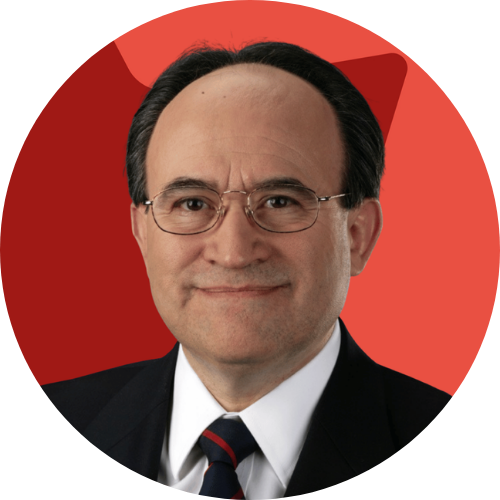
Dr Ernesto Castelazo Morales is a distinguished obstetrician and gynaecologist from Mexico with more than 45 years of experience advancing women’s health through clinical practice, medical education, and international leadership. A former FIGO Vice President, he currently serves as Chair of the Congress Organising Committee for FIGO Montréal 2027. Learn more
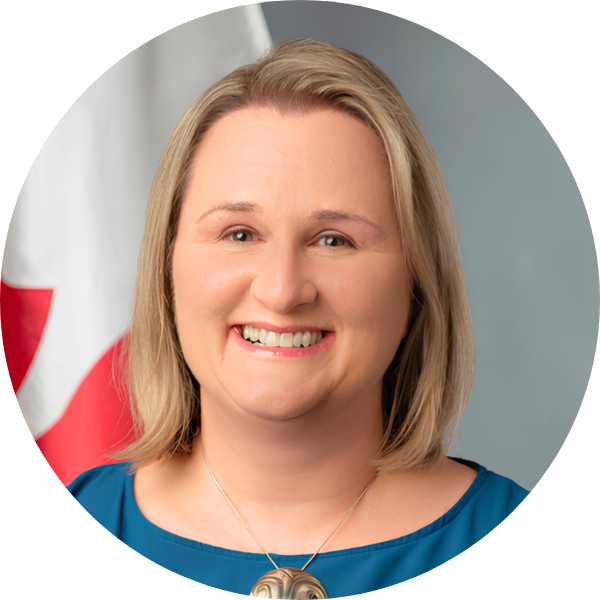
Emina Tudakovic (BA [Political Science], University of British Columbia, 1995; MA [Political Science], University of British Columbia, 1998) joined Citizenship and Immigration Canada in 2000. Following a first posting in New Delhi, she worked on international migration policy in bilateral and multilateral contexts. Read full bio
She served in the Humanitarian Affairs section of Canada’s Permanent Mission to the United Nations in Geneva from 2006 to 2010. During this time, she served two terms on the United Nations Refugee Agency’s Executive Bureau as rapporteur.
On her return to Canada in 2010, Ms. Tudakovic held a number of director-level positions at Immigration, Refugees and Citizenship Canada and was responsible for the overseas operational planning and implementation of Operation Syrian Refugee.
From 2016 to 2020, she was based at the embassy in Ankara as area director for migration programs for the Middle East. From 2020 to 2024, she was Canada’s High Commissioner in Jamaica.
Since Fall 2024, she has been Director General of Immigration, Refugees and Canada’s Immigration Operations Branch.
Hide bioOur visa page provides resources to help you prepare for your trip, including a recorded webinar and guidance documents.
Please note that attendees are responsible for checking the entry requirements for Canada and, where necessary, applying for the appropriate visa or travel authorisation well in advance of the Congress. FIGO cannot be held responsible for visa applications that are declined or are not processed in time for the event.
For official information about entry requirements and the application process, please visit Canada’s immigration and travel website.
You can request a letter of invitation to attend the World Congress during the registration process. Letters of invitation will only be issued once you have completed your registration and paid the registration fees in full.
Please note that the letter of invitation does not constitute a commitment by FIGO to cover any costs associated with your attendance, including registration fees, travel, accommodation or other expenses.


